Agencies
How To Celebrate Christmas & New Year’s in Spain
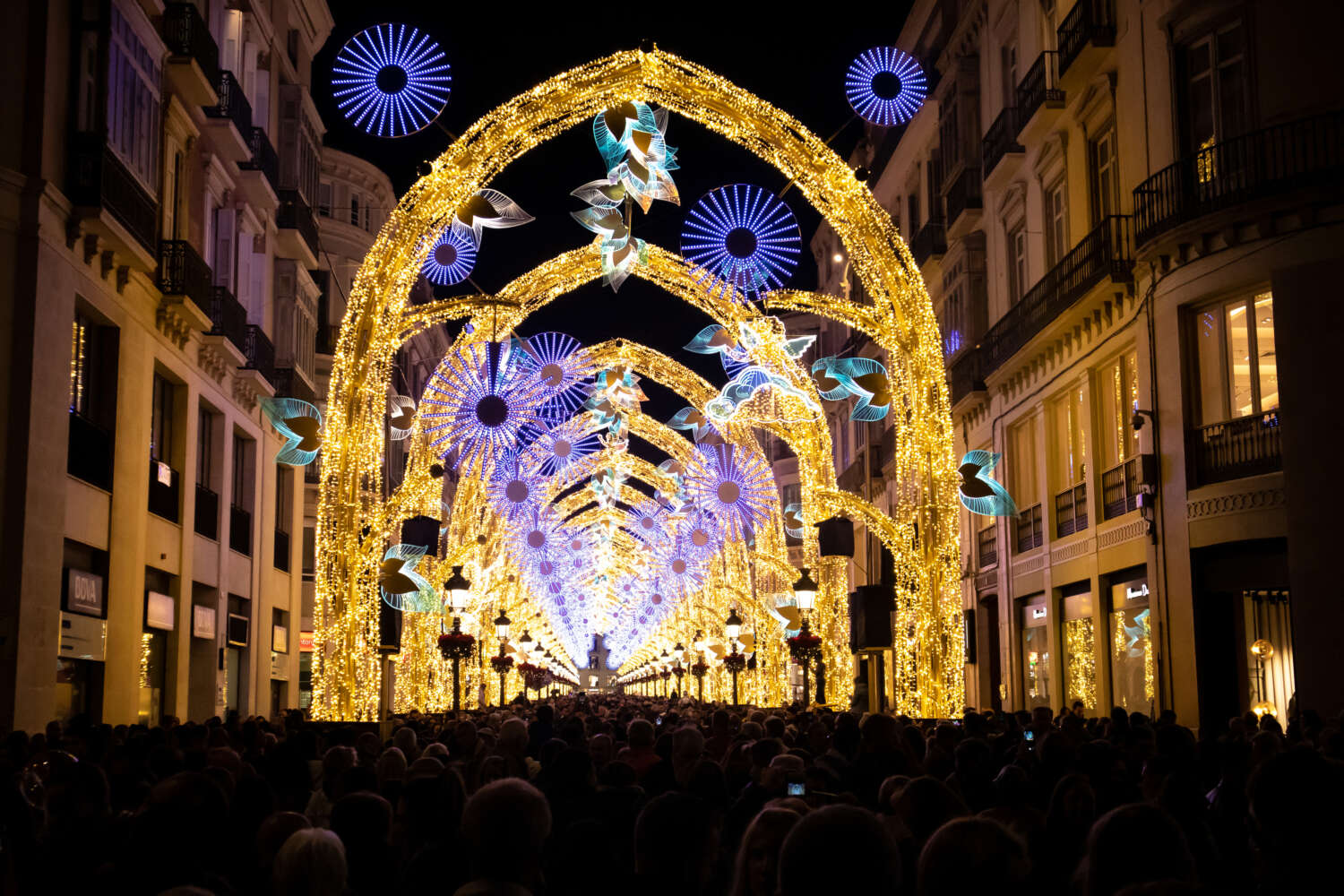
While the historical and religious significance behind Christmas is celebrated similarly in Spain as we do here in the United States, the holiday itself lasts for two whole weeks instead of just one day. Here, different days mark different traditions – from Christmas Eve through the Feast of the Epiphany. Depending on the region and day, there is a wide range of Christmas experiences in Spain that make travelling here during this time unforgettable.
December 24: Nochebuena – The Heart of A Spanish Christmas
Annual Family Dinners
On Christmas Eve, otherwise referred to as Nochebuena, families in Spain gather around the dinner table for a feast full of delicious traditional cuisine elements. The menu often showcases Spain’s culinary heritage through roast lamb, fresh seafood including shrimp and clams, jamón ibérico, and an array of traditional sweets like turrón and polvorones. When you embark on a luxury private tour of Spain with us here at Your Trip to Spain and Portugal during this magical time of year, you’re guaranteed to eat impeccable food, participate in engaging conversation, and cultivate a deep connection with the people you come across. After all, an environment of loved ones and food always brings people from different generations and backgrounds together.
Traditional Elements of Christmas Eve Dinner
-
- Multi-Course Progression: Meals are broken down into multiple homemade courses – including: appetizers, main courses, and multiple dessert options.
- Preparation Strategy: To get ahead of the evening, many families cook dishes earlier in the day, allowing everyone enough time to attend Midnight Mass together.
- Tapas Prelude: Some families start with small plates and wine before the main feast to keep hunger at bay.
- Late Dining Schedule: It’s normal for families to begin eating the main course around 9 or 10 PM, for a total of about two to three hours, or until midnight mass, depending on the family and timing.
- Traditional Activities: La Misa del Gallo, or “Mass of the Rooster,” follows dinner for many families, particularly in smaller towns where religious traditions remain deeply embedded in community life.
December 25: Navidad – A Day for Quiet Connection
Relaxed Family Gatherings
Spanish families approach December 25 with intentional calm, often using leftovers from Nochebuena to create casual meals that require minimal preparation. You’ll find people visiting extended family members, taking leisurely walks, or simply enjoying each other’s company without the pressure of elaborate activities. The absence of major gift exchanges on Christmas Day sets Spanish celebrations apart from American traditions. Children understand that presents arrive on January 6 with the Three Wise Men, creating anticipation that extends the holiday season.
What Makes Christmas Day Special in Spain
- Leisure: Families are able to prioritize rest, conversation, and light entertainment over productivity, arguments, and structured events. The calm is a nice balance from the push and pull of everyday life.
- Mindset: Christmas Day serves as a bridge between Christmas Eve and the upcoming festivities rather than a climactic finish that is abruptly over.
- Sweets: Turrón, marzipan, and polvorones continue being made and eaten.
- Visits: Most importantly, people get to spend quality time with relatives they might not see on a regular basis.
December 28: Día de los Santos Inocentes – Spain’s Playful Side
The Art of Good-Natured Pranks
Similar to April Fools Day here in America, Spanish culture embraces the Día de los Santos Inocentes with widespread participation by sharing individual family jokes or elaborate media hoaxes that keep everyone guessing. The tradition commemorates a biblical story but has evolved into something purely fun and community-spirited. Children particularly enjoy this opportunity to turn the tables on adults.
How the Day Unfolds Across Spain
- Family pranks: Relatives prepare to play harmless tricks and jokes on each other.
- Media participation: Newspapers and TV stations publish parody news stories.
- School activities: Educational institutions organize prank competitions and fun events.
- Community spirit: A shared experience of playful deception brings people together through laughter and camaraderie.
December 31: Nochevieja – Welcoming the New Year in Spain
The Midnight Grape Challenge
Before the clock tower strikes midnight, Spaniards and visitors alike are known to gather around televisions or in public squares with 12 grapes in hand. As the bell chimes 12 times, each person is supposed to consume one grape per chime while making a wish. The swift and silliness of the midnight grape challenge creates a frantic but joyful race that often results in laughter rather than graceful wish-making. Please note that the tradition demands preparation and practice as eating twelve grapes in twelve seconds proves more challenging than it sounds.
Essential New Year’s Eve Customs
- Grape preparation: Many people pre-peel grapes or choose smaller varieties to improve their success rate.
- Red clothing: It is advised to wear red underwear, preferably gifted by someone else, to supposedly bring good luck for the coming year.
- Cava toasts: Spanish sparkling wine, similar to champagne, will flow freely after the grape challenge concludes.
- Public celebrations: Major cities host countdown events with live music and fireworks displays for public celebrations.
January 1: Año Nuevo – Recovery and Reflection
A Day for Gentle Beginnings
Families in Spain approach January 1 with intentional relaxation, creating space for recovery while maintaining the warmth of the holiday season. You’ll find people enjoying late brunches, taking casual walks, and engaging in unhurried conversations that set a peaceful tone for the year ahead. Many public services operate on reduced schedules, giving entire communities permission to move slowly and prioritize rest over productivity.
New Year’s Day Traditions
- Comfort food: Simple dishes like stews or leftover holiday foods provide warmth and satisfaction.
- Gentle activities: Light walks, reading, or watching seasonal TV programming.
- Family focus: Continued emphasis on spending time with loved ones rather than returning to regular routines.
- Preparation mindset: Using the day to mentally and physically prepare for the upcoming Three Kings celebrations.
January 5: Cabalgata de Reyes – Magic in the Streets
Community Parades
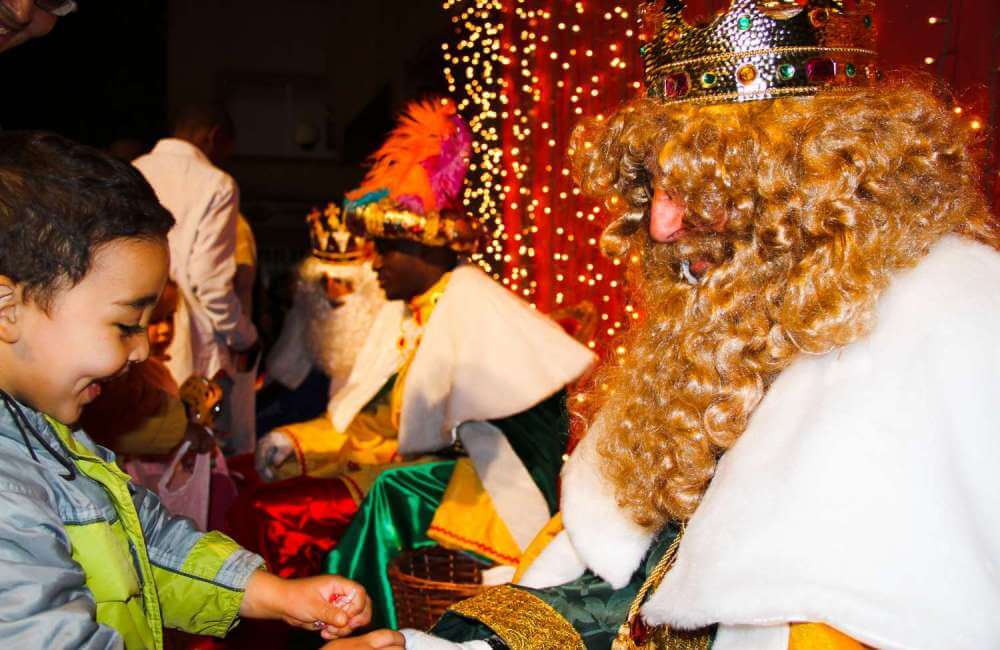
Elaborate floats carrying actors portraying the Three Wise Men wind through Spain’s city streets during this time, throwing candy to excited children below. This spectacle includes live music, dancers, and theatrical performances that create an atmosphere of pure magic and community celebration.
What Makes These Parades Special
- Sweet collection: Children bring containers to gather thrown candies and treats.
- Musical accompaniment: Live bands and recorded music create festive soundscapes.
- Costume creativity: Elaborate outfits and theatrical makeup transform ordinary people into magical characters.
January 6 – Día de Reyes: The True Gift-Giving Day
Morning Magic and Roscón de Reyes
Spanish children wake up to find gifts left by the Three Wise Men, who had placed shoes filled with hay or treats outside their doors the previous evening. This tradition creates anticipation that builds throughout the holiday season rather than concentrating all the excitement into one Christmas morning. The day’s culinary centerpiece, Roscón de Reyes, brings families together around a sweet bread decorated with candied fruits and hiding small surprises inside, such as a little figurine for luck or a bean for bad luck.
Epiphany Day Celebrations
- Gift discovery: Unlike in America, children in Spain find presents left by the Three Wise Men rather than Santa Claus.
- Shoe preparation: Kids leave footwear outside with treats for the Wise Men’s camels.
- Religious observance: Many families attend church services commemorating the Magi’s arrival.
- Storytelling tradition: Parents often share tales about the Wise Men’s journey and significance.
Book Your Christmas & New Year’s Trip to Spain
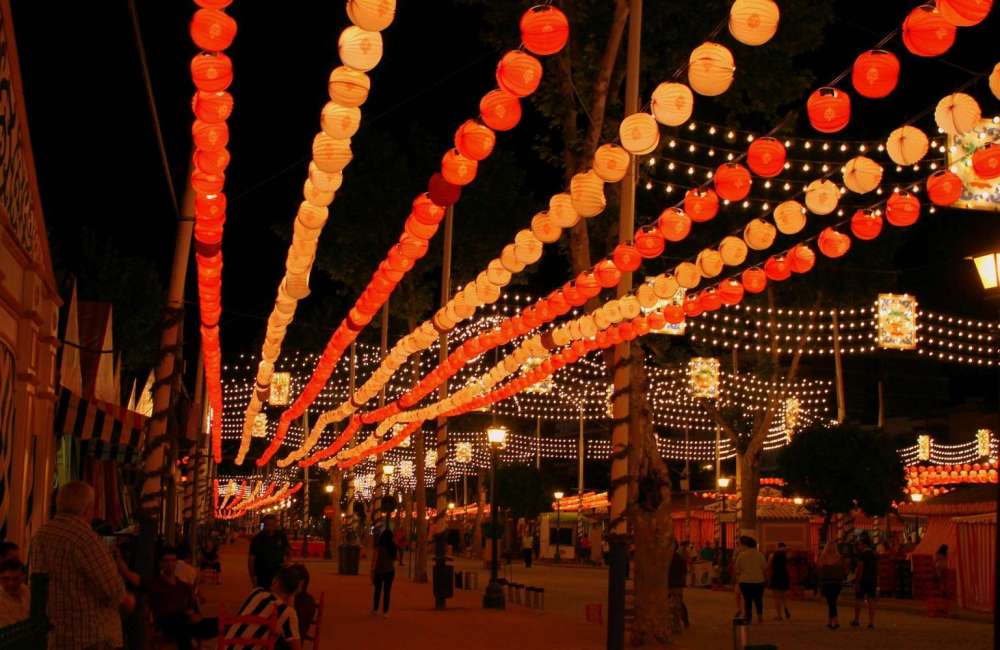
The traditions shared here happen in real Spanish homes with real families in Spain. Wether it’s festivals or parades, the cities light up with vibrant lights and merriment. Experience the customs and foods yourself! We arrange custom tours that connect you with actual holiday celebrations in Spain. Eat Nochebuena dinners prepared by Spanish mothers. Catch candy at neighborhood Three Kings Parades. Share Roscón de Reyes on Epiphany morning. It’s not too late to book your Spain holiday travels; contact us directly!
Related Posts