
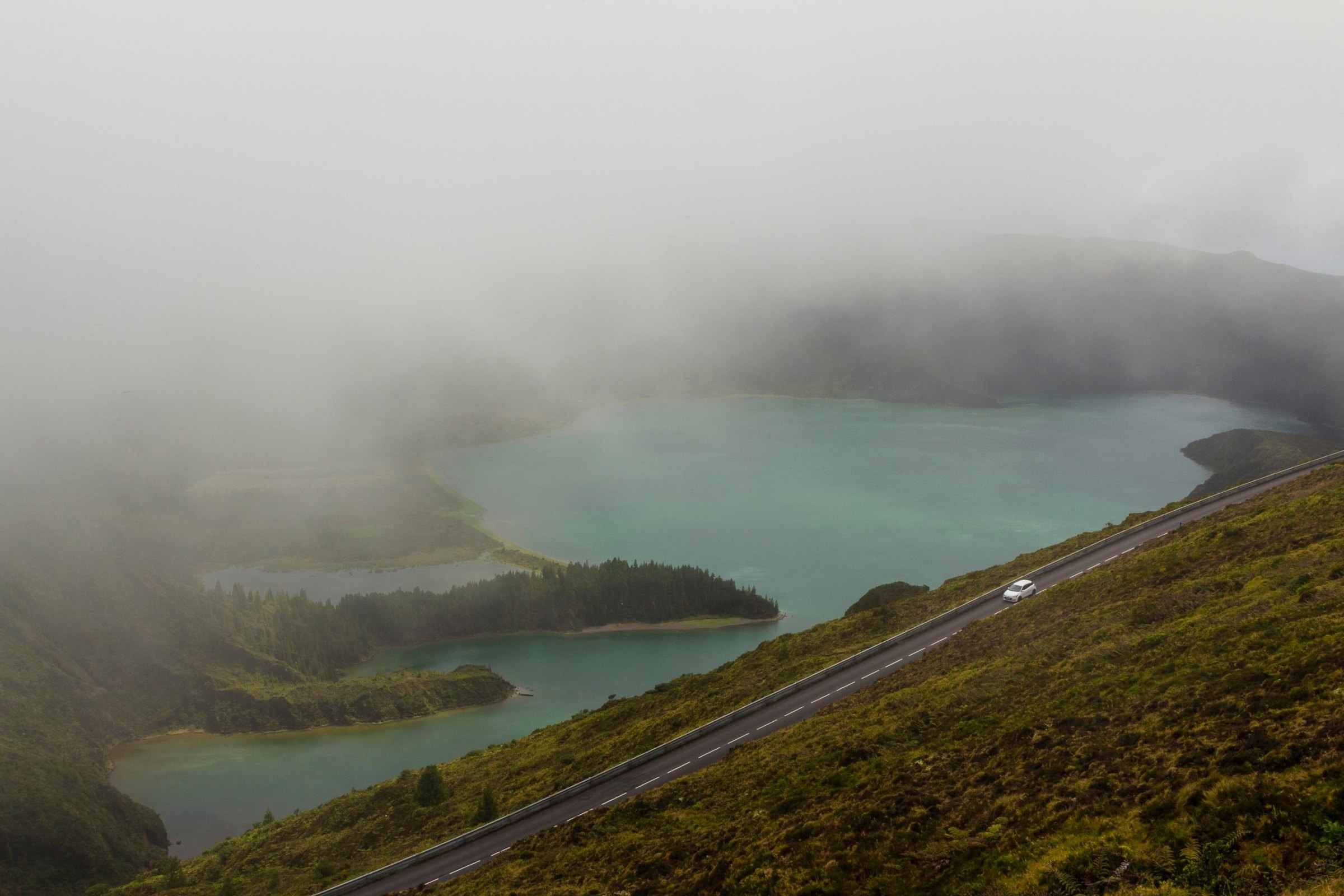
Azores
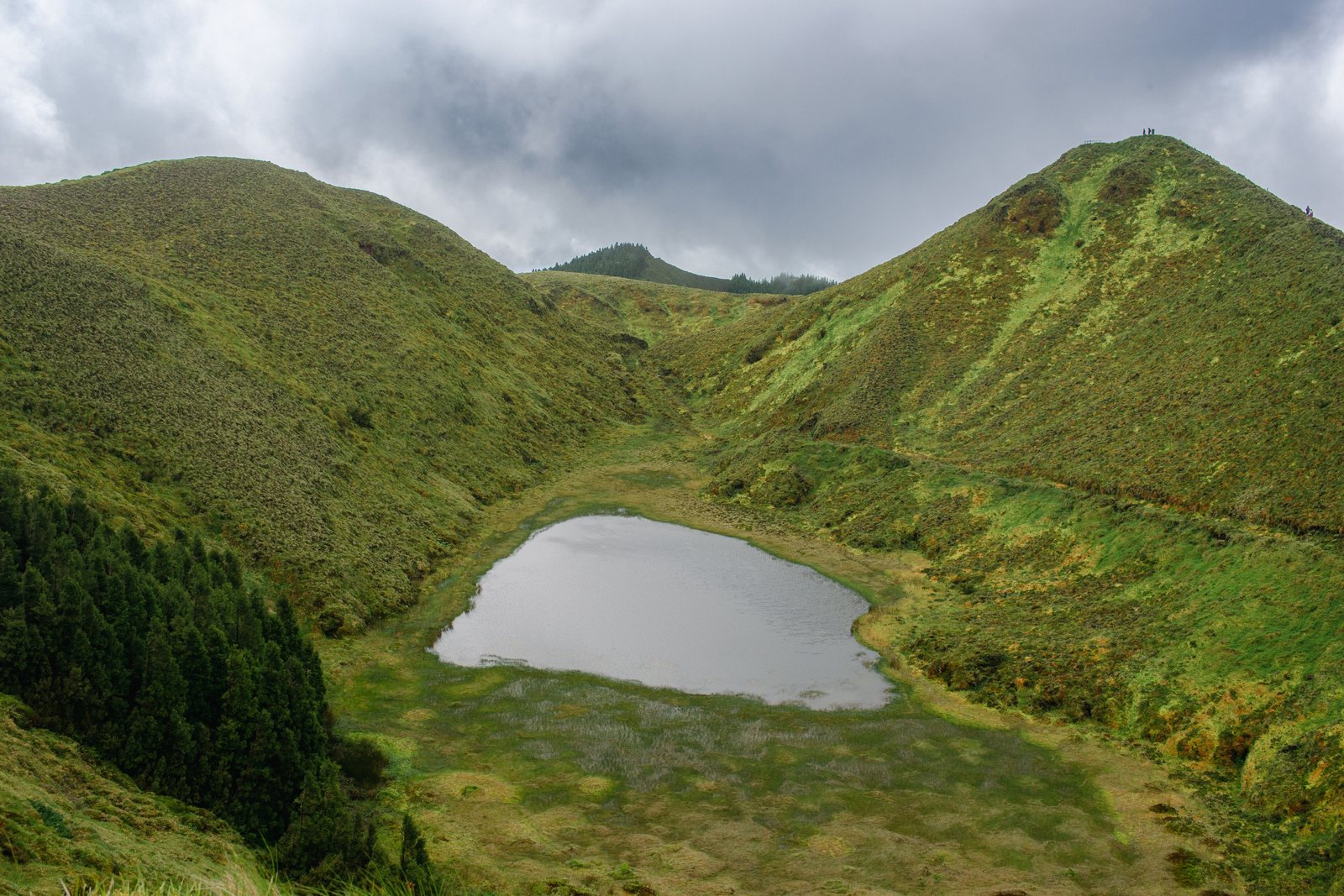
The Azores are nine volcanic islands in the middle of the Atlantic, with crater lakes and a stew cooked in the hot ground.
What we plan here.
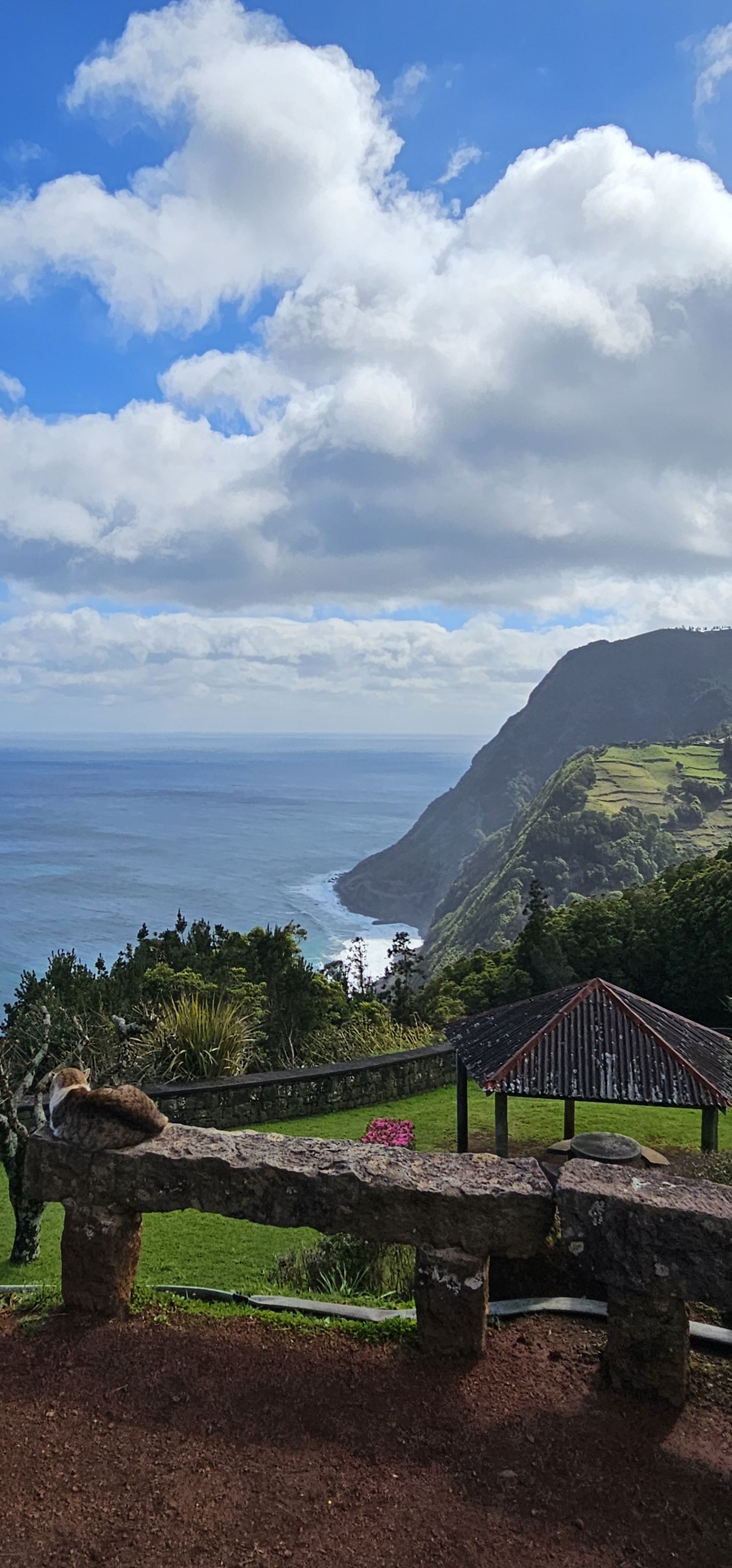
Lookouts on the north coast
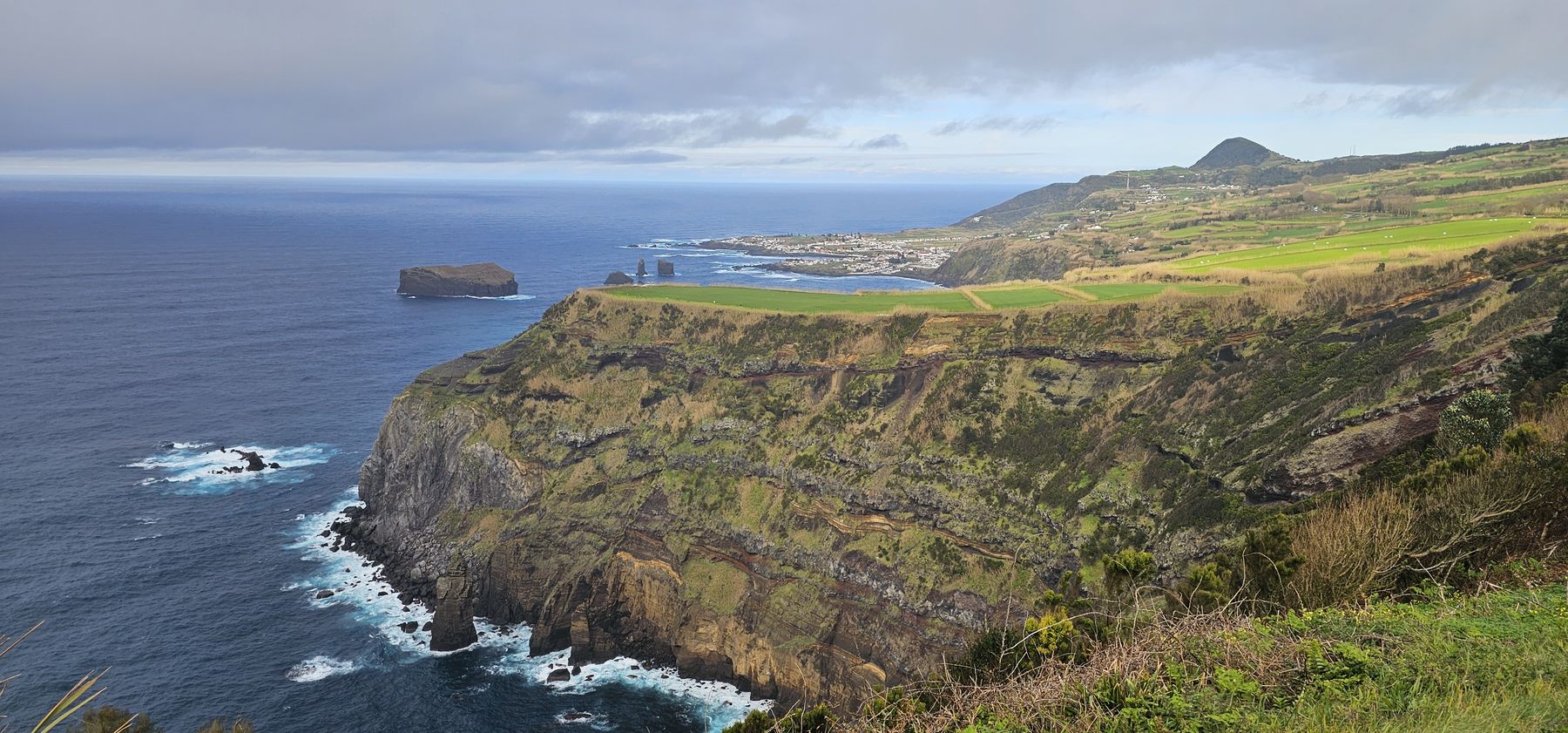
Viewpoints line the coast road, with gardens and picnic tables built right at the edge. On a clear morning, the cliffs fold into the sea for miles.
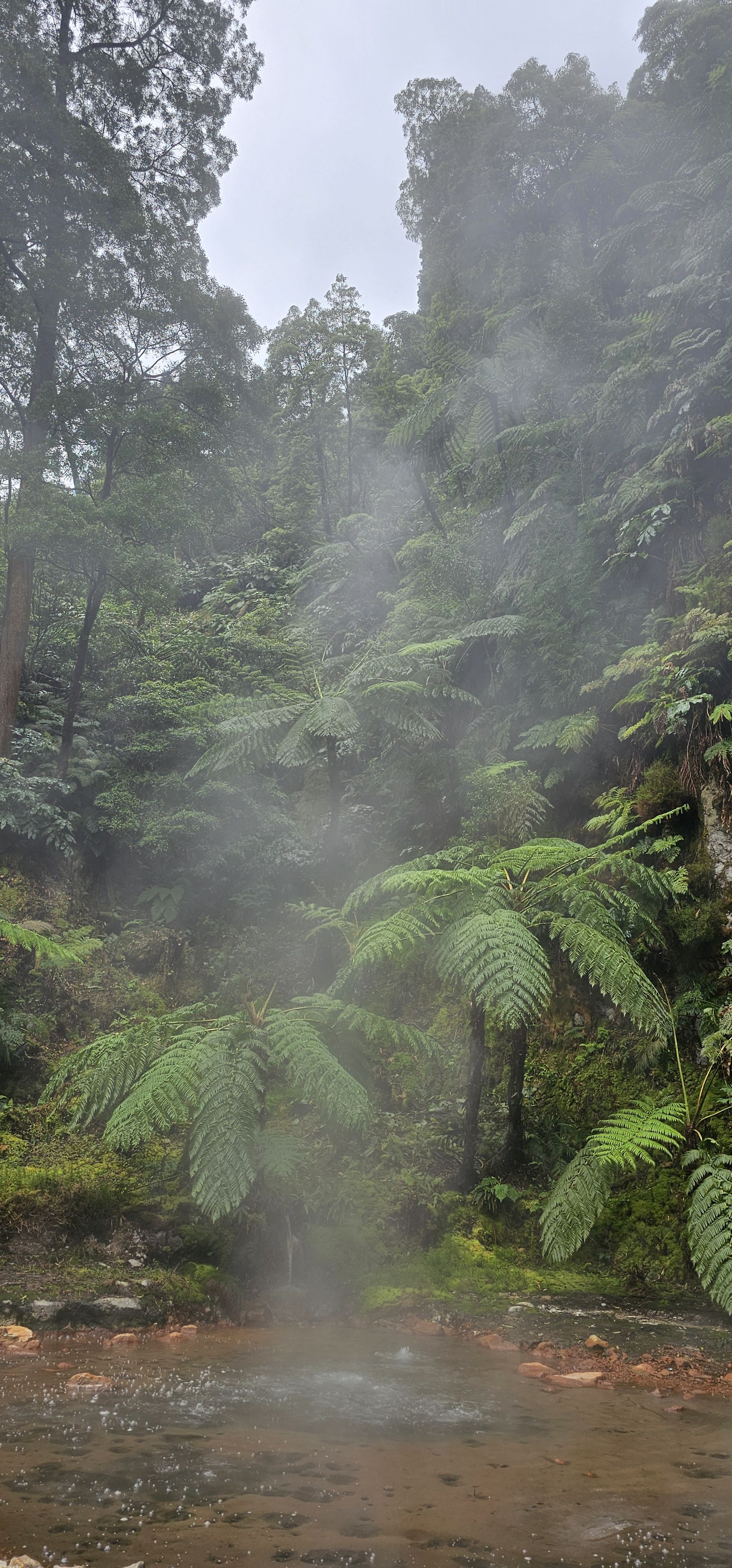
Lunch from the ground
In Furnas, cooks bury pots of meat and vegetables in the hot earth by the lake and dig them up hours later. You eat the cozido in the village.
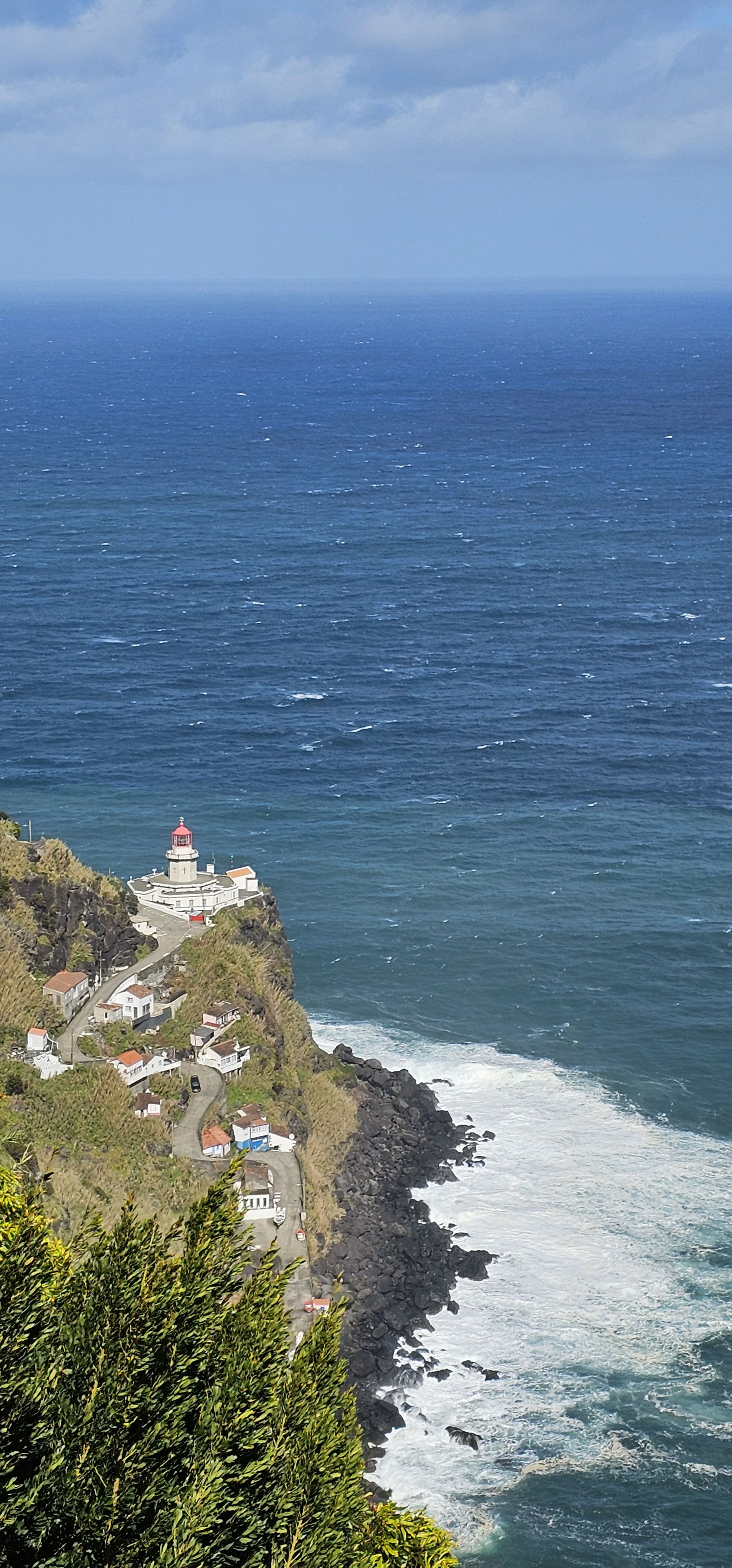
Whales off the coast
Lookouts on the cliffs watch for spouts and radio the boats. Sperm whales live in these waters all year.
Tea and hot springs
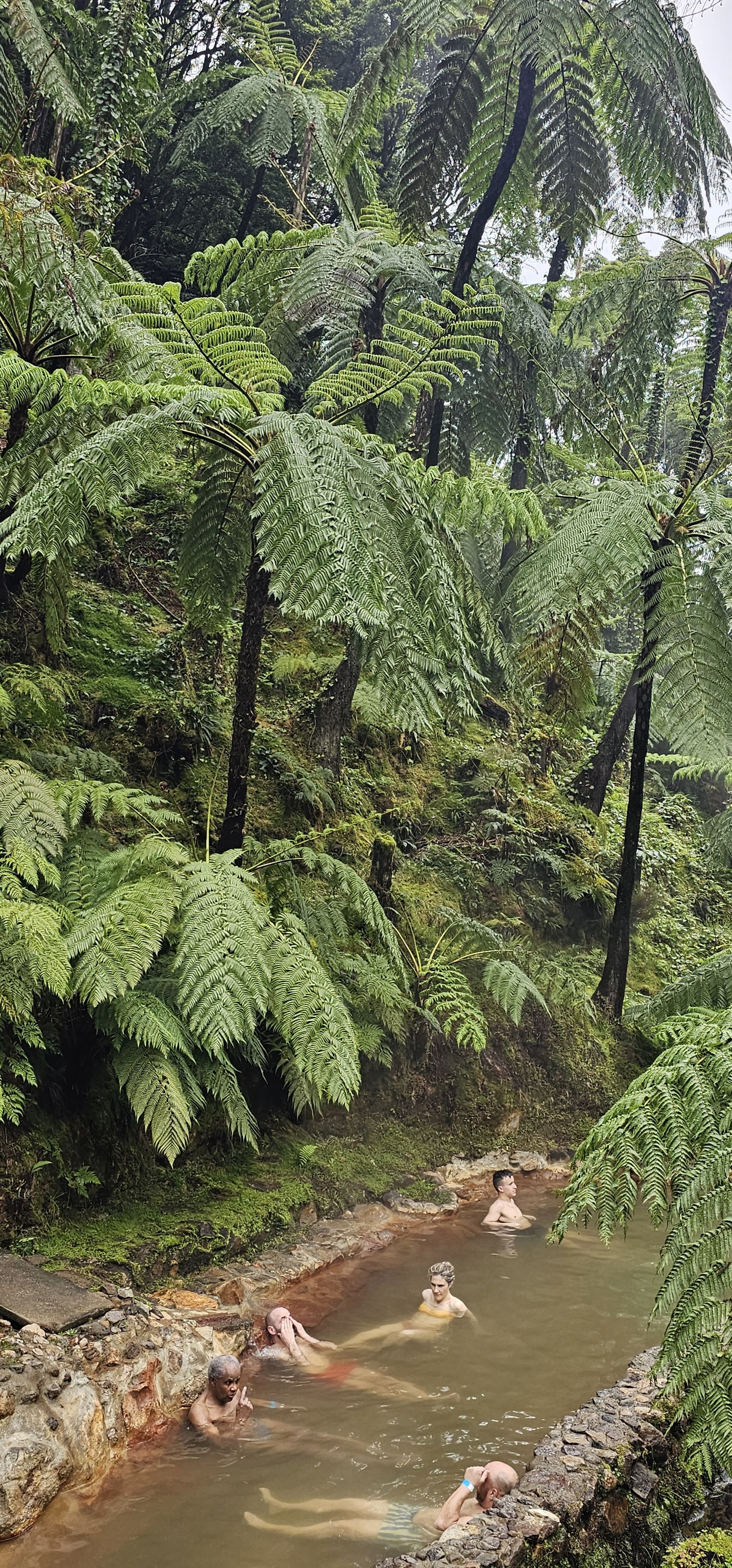
Europe’s oldest tea plantation still grows on the north coast of São Miguel. Down the road, Terra Nostra has a warm, iron-orange pool in the middle of a garden.
There are eight more islands.
Pico has a volcano you can climb and vines growing inside black lava walls. Faial is a short ferry ride from Pico.
Painted in the Azores
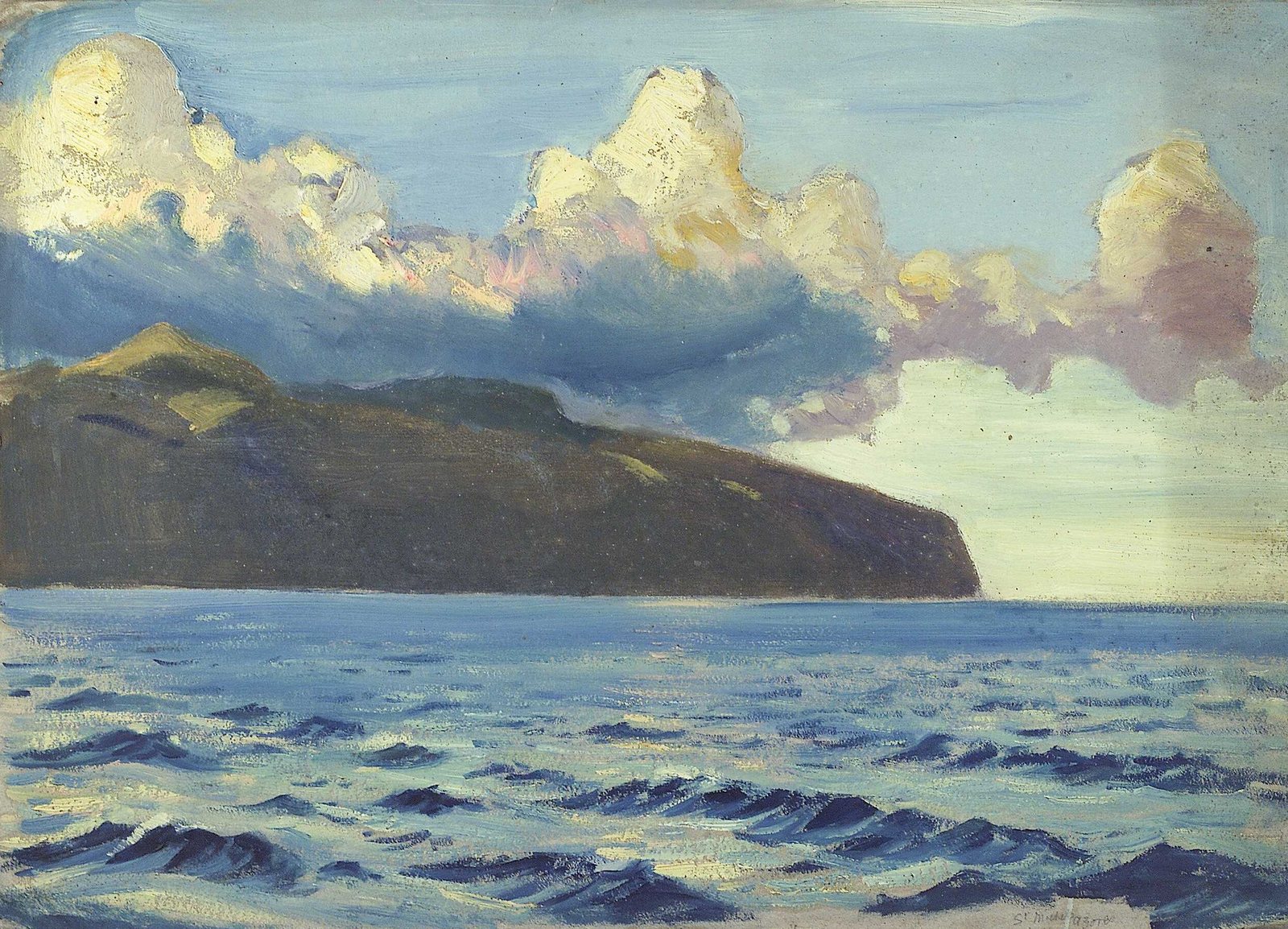
John Everett
Azores
Royal Museums Greenwich, London
The Azores, by season.
Spring
It is green and mild, and migrating whales pass the islands in April and May.
Summer
Hydrangeas bloom along the roads, and the long days leave time for hiking and boat trips.
Autumn
It is mild and quieter, and the water stays warm into October.
Winter
It is wet and windy, which is good weather for the hot springs.
A few places we like in the Azores.
We match the hotel to the trip and the people on it.
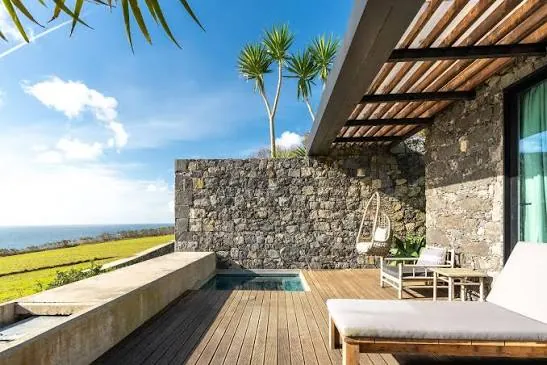
A restored farmhouse on São Miguel’s quiet west coast
The couples’ rooms have their own small pools facing the ocean. The hot springs at Ponta da Ferraria are ten minutes down the road.
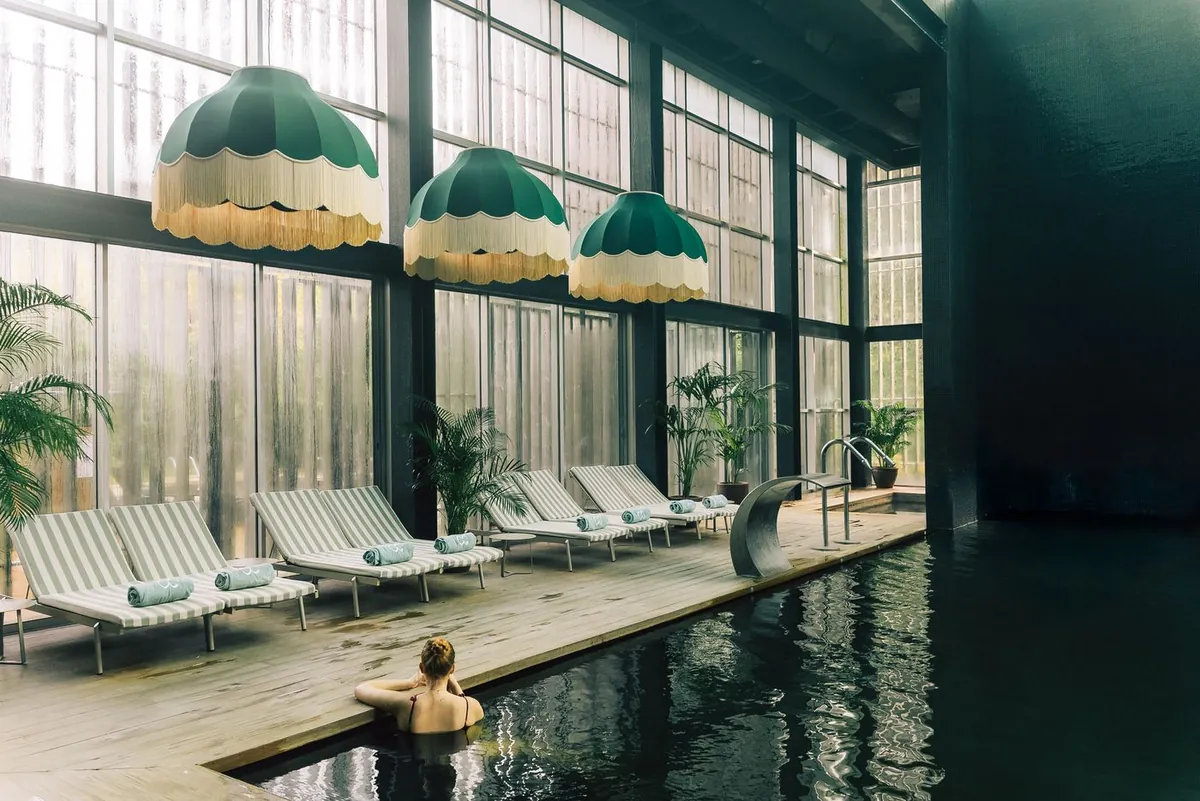
An old thermal bath in the Furnas valley
The hotel began as the town’s thermal baths, and the pools are still warmed by the hot springs. The steaming caldeiras are a five-minute walk away.
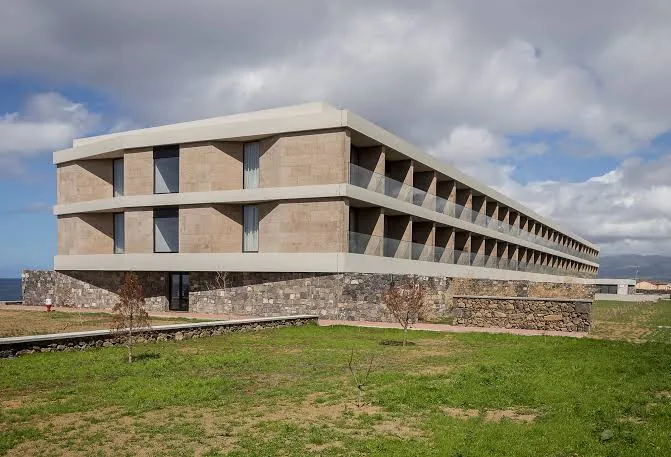
A clifftop resort on São Miguel’s north coast
The base of the building is laid in dark volcanic stone, and the infinity pool looks out over the ocean. Ponta Delgada is fifteen minutes away.
Head out to sea.
Tell us whether you want one island or several. We will plan the flights between them.
We reply within 24 hours.
Destinations
Our Story
We reply within 24 hours.